

By: Abi Shan, Photo & Video editor at 1UP Youth City Builders
In a design course I took during high school, I explored various architectural styles across the world, which sparked my interest in how historical and cultural perspectives can influence architecture. Recently, I’ve been particularly curious about Japanese architecture due to its use of natural materials, minimalistic and meaningful design approaches.
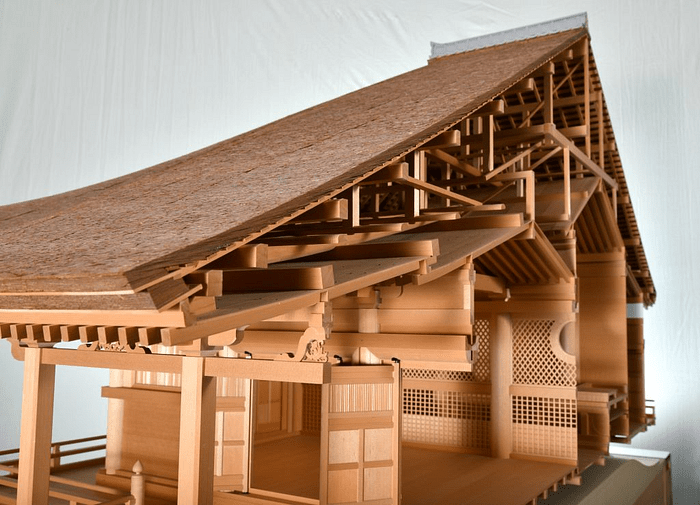
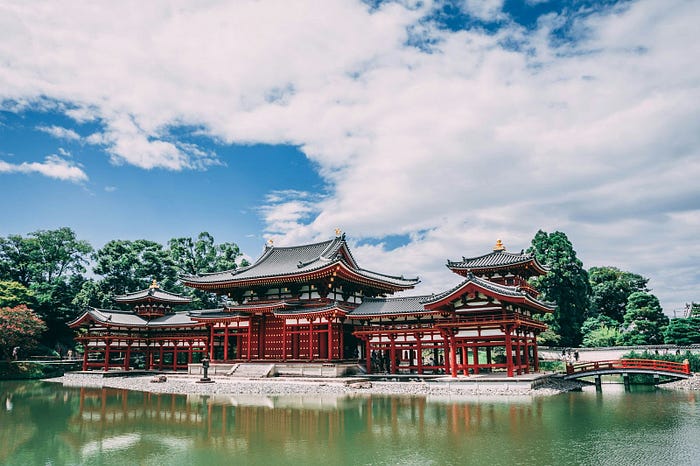
Japanese architecture is a unique building style which reflects Japan’s history, culture, climate and environment. Inspired by nature, Japanese architects use bamboo and wood in traditional Japanese architecture. Bamboo is a highly renewable natural resource which promotes sustainability. Wood is used for construction due to Japan’s climate and geology. In Japan, there is a higher risk of earthquakes and typhoons. Therefore, wood is preferred because it is strong and durable enough to endure rough weather.
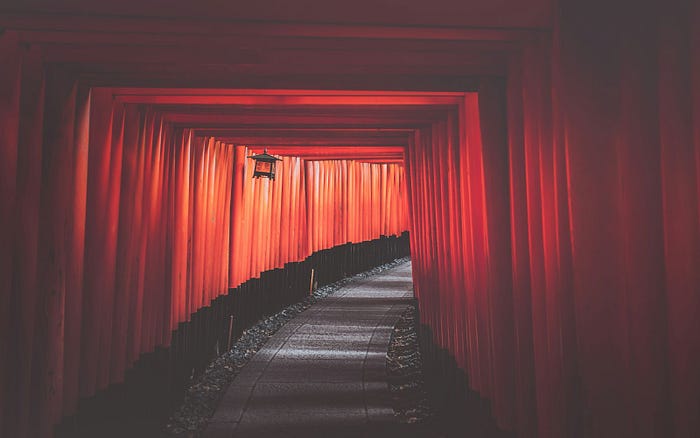
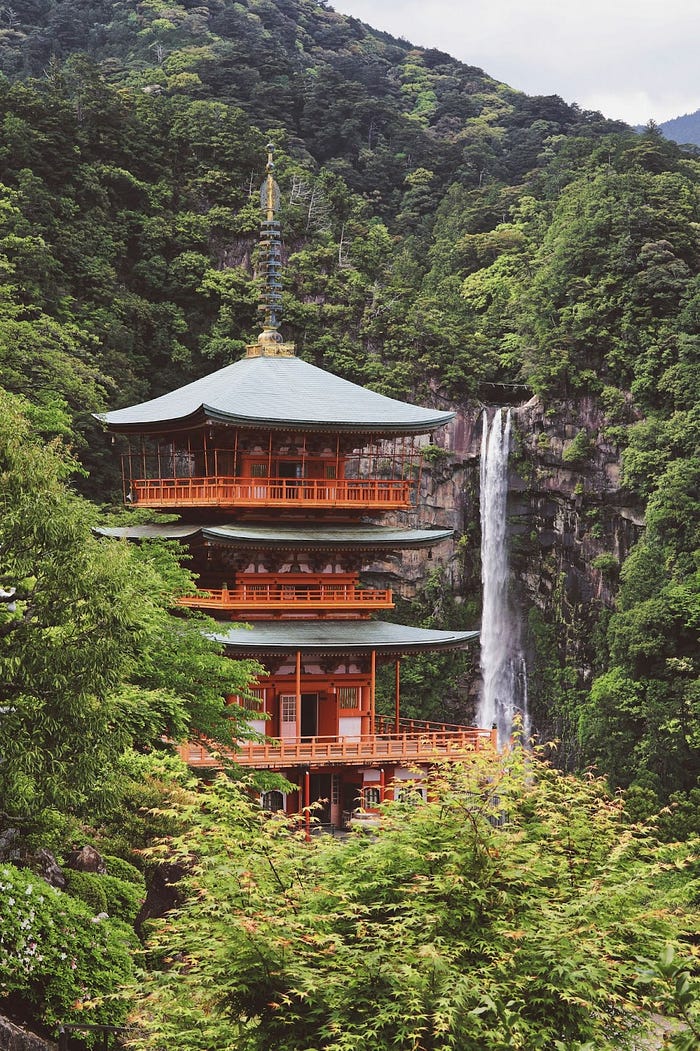
The aesthetics of both Shinto and Buddhism, two main belief systems, are often incorporated into Japanese architecture. Shinto shrines often have a minimalistic design made with wood and a lack of colours. However, Buddhist temples are decorative and involve a great amount of colours.
Tokyo Skytree
One example of modern Japanese architecture is the Tokyo Skytree, it serves as a broadcasting and telecommunications tower in Tokyo. The Tokyo Skytree was opened to the public in 2012 and built by the architect Nikken Sekkei and their firm. It is the world’s third tallest structure at 634 meters. The two observation areas open to the public are the Tembo Deck and Tembo Gallery. The cultural significance behind the Tokyo Tower symbolizes resilience from the Great East Japan earthquake and embodies the hope and strength of the residents.

Himeji Castle
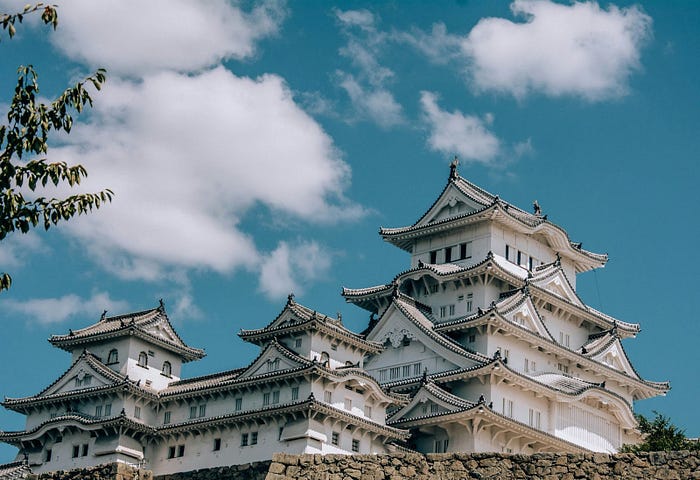
Himeji Castle is one of the finest examples of traditional architecture surviving in the modern age. It was built in the city of Himeji in the 17th century and constructed in wood to have a functional and elegant appeal. The Himeji Castle is Japan’s first-ever registered UNESCO World Heritage Site. The castle has an intricate design layout with 83 rooms and defensive systems. One of Himeji Castle’s outstanding architectural features is the curved sloping roofs. These are used for aesthetic purposes but also are stable structures which prevent damage when earthquakes or heavy rain occur. In my opinion, the Himeji Castle symbolizes resilience and beauty as it is one of the surviving castles that haven’t been destructed severely throughout wars and natural disasters.
Traditional vs Modern
Overall, Japanese architecture provides a range of traditional to innovative structures while showcasing the country’s historical and cultural significance. The Tokyo Skytree represents a futuristic design with advanced technology and multifunctional use by being a broadcasting tower and a highly visited tourist attraction. In contrast, the Himeji Castle utilizes traditional principles with its architectural features and preserves Japan’s heritage from the past.

Overall, learning about Japanese architecture has broadened my perspective on architectural styles. I previously viewed modern architecture as the most significant style because it has been widely used across the world nowadays. However, after researching Japanese architecture, specifically the Himeji Castle, made me recognize the importance of traditional architecture. These historical structures signify cultural values and design elements which are just as prominent as modern pieces like the Tokyo Skytree. Researching Japanese architecture has increased my knowledge on how both traditional and modern architecture showcase the culture and history of Japan.
Whether old or new, Japanese architecture has captured how the country symbolizes and respects the past while simultaneously working towards advanced and sustainable goals in the future.
